The Great Wall is not one wall but a network of fortifications built and rebuilt over two thousand years; the sections tourists walk are mostly Ming dynasty (fourteenth to seventeenth century) restorations north of Beijing. Badaling is the closest and most famous, and for exactly that reason it is the one to avoid — it takes the bulk of ten million annual visitors and on holiday weekends the ramparts are shoulder to shoulder.
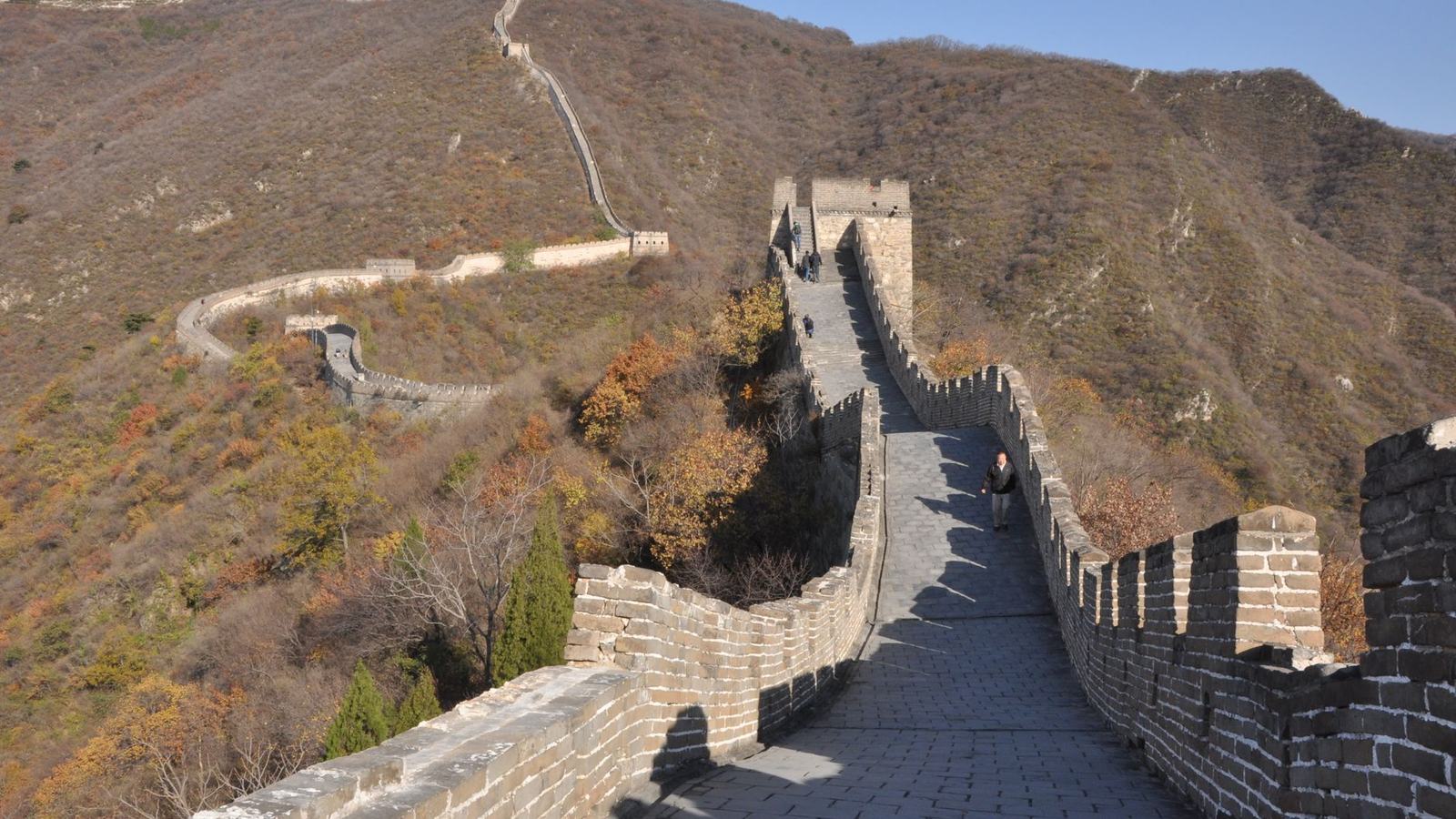
Mutianyu, 70 kilometres north-east of the city, is the answer for most travellers. It is fully restored, with 23 watchtowers over a 2.5-kilometre stretch, forested slopes on both sides, a cable car up and — the part children and adults remember — a 1,500-metre toboggan run back down. Arrive by 8 a.m. and you will have an hour of near-empty wall before the tour buses. Watchtower 20 westward is the steep, dramatic part; eastward is gentler.
For walkers who want the wild wall, Jinshanling (a 2.5-hour drive) offers a 10-kilometre hike along partly unrestored ramparts to Simatai, with far fewer people and views that stretch to the horizon in every direction. It is a full day and needs proper shoes; the reward is the Great Wall as it appears in your imagination.
Book a private car or a small-group tour rather than a large bus, which spends its day at jade factories. Tickets for Mutianyu and Badaling are timed and require passport details, purchased online in advance. Stay in Beijing's Dongcheng district for the Forbidden City and hutongs, and treat the wall as the day you leave early and come back tired and delighted.
Three things to get right
- Mutianyu for the classic day; Jinshanling-to-Simatai for the hike.
- Be at the cable car by 8 a.m. — the empty hour is the whole point.
- Take the toboggan down. It is not just for children.