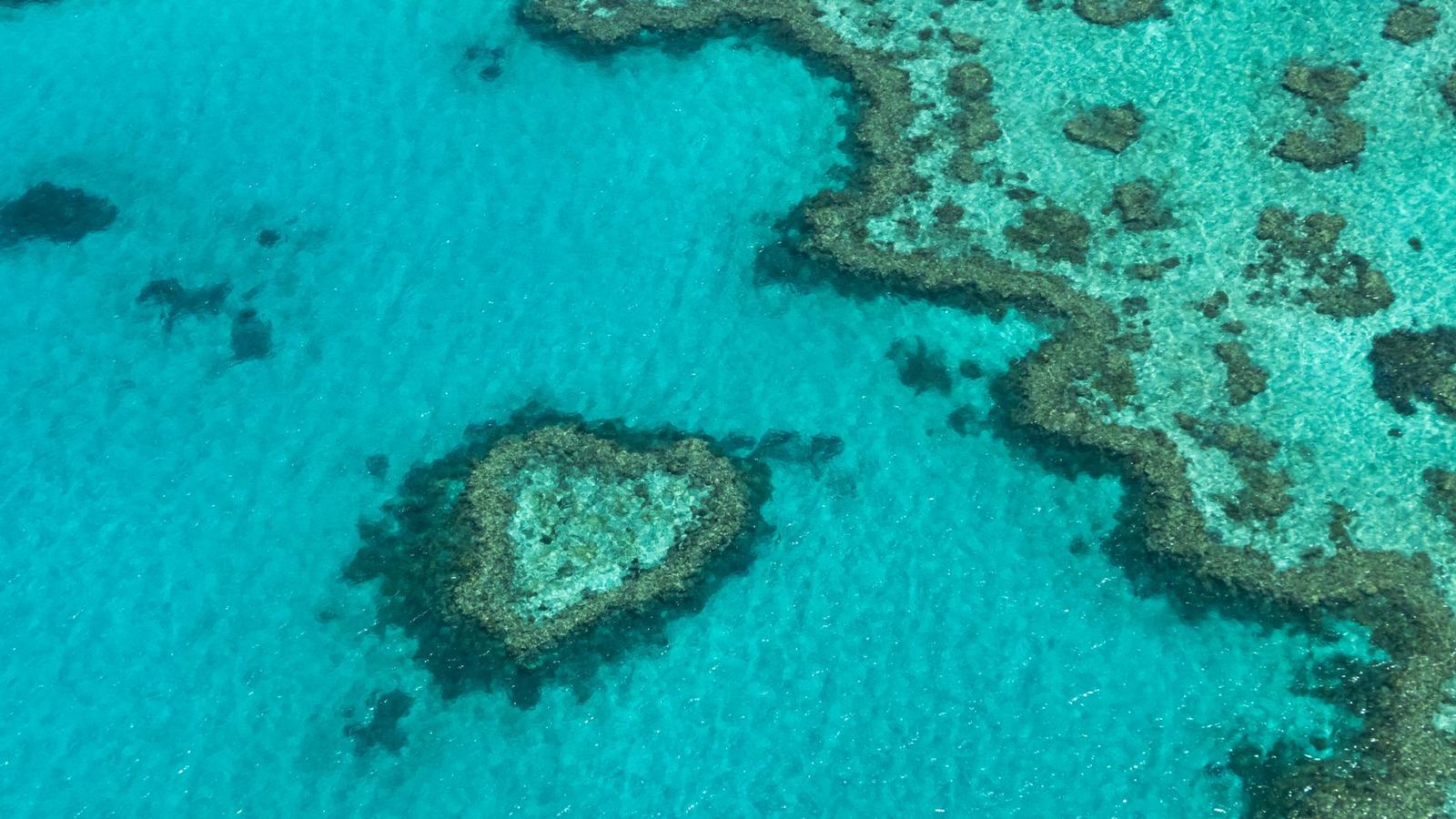
The Great Barrier Reef is not a single reef but a system of nearly three thousand, running from the tip of Cape York to Bundaberg. For visitors it is three regions. Cairns is the biggest launch point, with large catamarans running to outer-reef pontoons (Moore, Norman, Agincourt reefs) where you snorkel, dive, ride a glass-bottom boat or a semi-submersible; Port Douglas, an hour north, is the smaller and smarter alternative with the same outer reefs. The Whitsunday Islands, further south, add Whitehaven Beach's silica sand and the scenic flight over Heart Reef.
Outer reef beats inner reef: the coral is healthier, the visibility better and the fish larger. Choose a boat that goes to two sites rather than one pontoon, and one with a marine biologist on board — the reef is a story of coral bleaching and recovery, and a guide who explains what you are looking at doubles the day. Introductory dives need no certification; snorkelling with a flotation noodle is the most common way to see it and perfectly good.
Liveaboards out of Cairns run three to seven nights to the Ribbon Reefs and Cod Hole — the reef for divers who want the best of it. Day boats leave at 8 a.m. and return by 5; the sea can be lively, so take the tablets before departure, not after. From November to May, tour operators issue stinger suits against box jellyfish; wear them.
Cairns has the flights and the hotels; Port Douglas has the Four Mile Beach and the Daintree rainforest an hour north, which makes the ideal week — reef, rainforest and the Kuranda scenic railway. Chauffeur transfers from Cairns airport to Port Douglas along the Captain Cook Highway are one of the great coastal drives in the country and take just over an hour.
Three things to get right
- Outer reef, two sites, a marine biologist on board.
- June–October for water, whales and no stingers.
- Port Douglas for the reef-plus-rainforest week.