Why this guide: about 18,100 people a month search Google for “best time to visit iceland” (US, DataForSEO Labs, September 2026). This is the answer we would give a client, written to be booked from.
The short answer
- Best overallLate June–August for driving and hiking; late September–October or February–March for aurora with tolerable daylight
- CheapestNovember–February (excluding Christmas–New Year)
- AvoidLate December–January if you want daylight (4–5 hours); July–August if you want low prices
Summer: the whole country opens
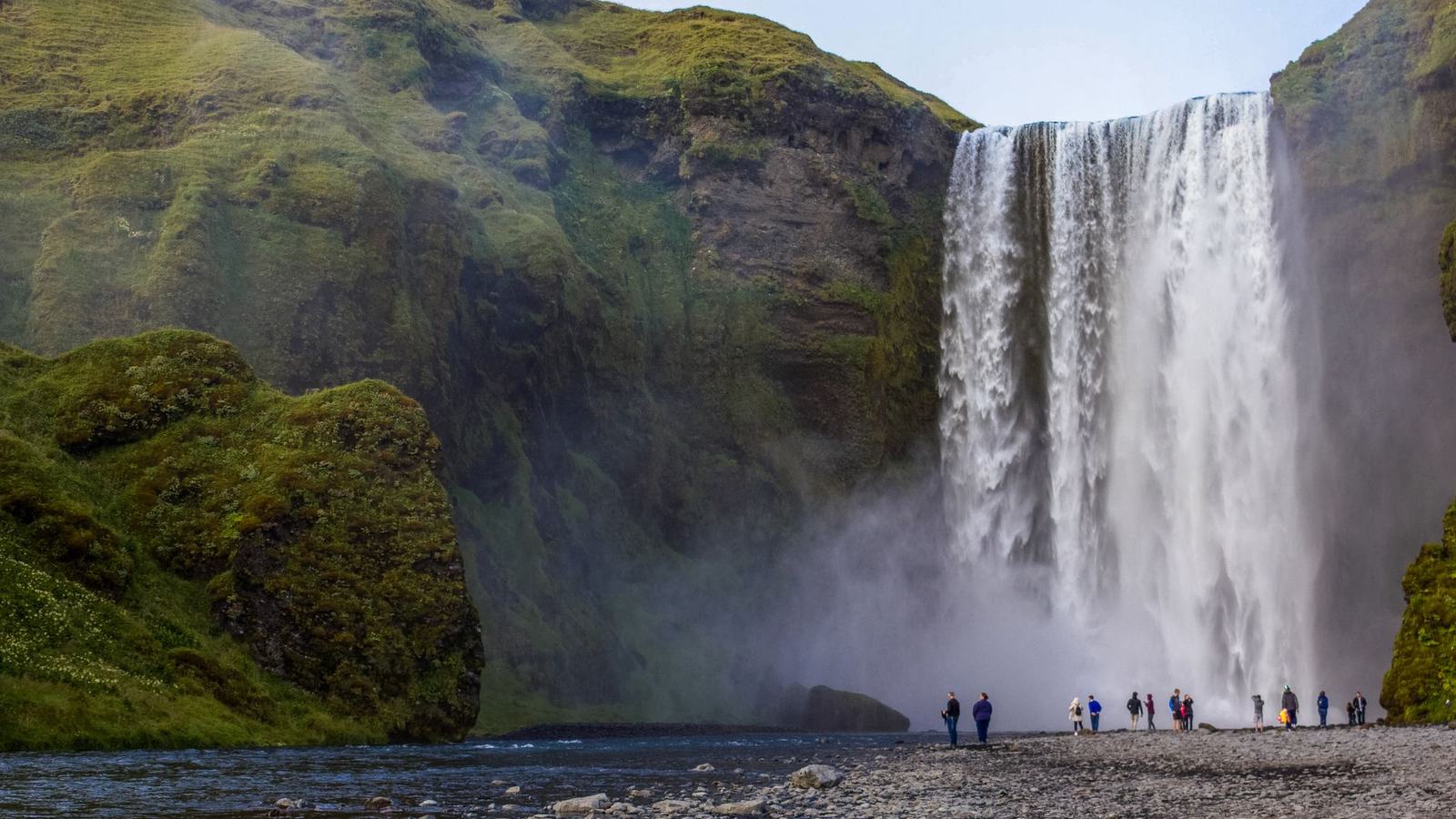
From mid-June the sun barely sets — Reykjavík gets 21 hours of daylight at the solstice and the highland F-roads to Landmannalaugar and Askja open by early July. The full Ring Road (1,300 km) is a comfortable 8–10 day drive, puffins nest on the cliffs at Látrabjarg and Dyrhólaey until mid-August, and whale-watching from Húsavík is at its best. It is also peak price: rental cars and guesthouses along the south coast should be booked by March.
Winter: aurora, ice caves and the lowest prices
The northern lights need darkness and clear sky; the season runs from late September to early April, with the statistical sweet spot around the equinoxes. The Vatnajökull ice caves are only safe and open from about November to March. Daylight in late December is under five hours, roads can close in storms, and the highlands are shut — but flights and hotels are at their annual lows and the Blue Lagoon in falling snow is a memory.
The shoulder months
September keeps most summer roads open, adds the first aurora nights and drops prices; May has long days, lambing season and few tourists but the highlands still closed. October and April are the compromise months for travellers who want both a drive and a chance of the lights.
Weather reality
Iceland is never hot: July averages 13°C in Reykjavík, and rain, wind and sun can all happen in an afternoon. Waterproof layers matter more than the month. The south coast (Vík) is the wettest and windiest stretch; the north (Akureyri) is drier and colder.
How to book
Keflavík (KEF) is 45 minutes from Reykjavík. Search flights on the engine, book the car for summer well ahead (see our guide to renting a car in Iceland), and use a chauffeur for the airport run if you arrive at 6 a.m. on the transatlantic red-eye — most do.
Three things to get right
- Aurora hunters: five nights minimum, and go in late September or March for daylight too.
- Summer Ring Road: book cars and south-coast rooms by March.
- Ice caves are a winter-only attraction (roughly November–March).