Why this guide: about 9,900 people a month search Google for “best time to visit italy” (US, DataForSEO Labs, September 2026). This is the answer we would give a client, written to be booked from.
The short answer
- Best overallLate April–June and September–mid-October
- CheapestNovember–February (excluding Christmas and Carnival)
- AvoidJuly–August in the cities; Easter week and the first fortnight of October in Rome for peak crowds
Spring (April–June)
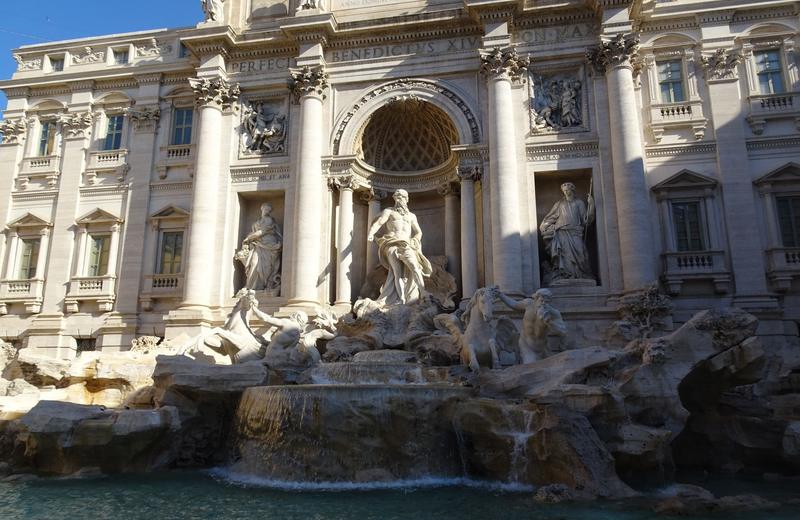
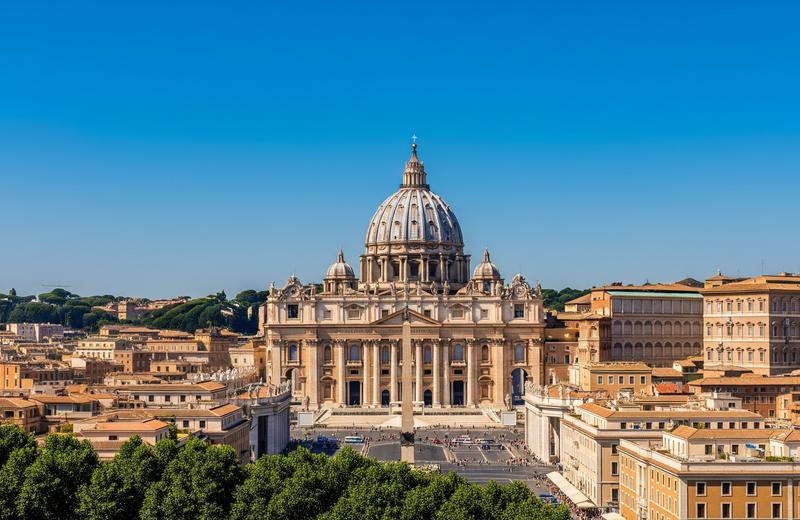
Rome, Florence and Venice hit 18–26°C, the countryside is green and the Amalfi Coast's hotels and ferries reopen around Easter. Late April to early June is the ideal balance of warmth and sanity. Two crowd spikes to plan around: Easter week in Rome (the papal events) and Italian public holidays on 25 April and 1 June.
Summer (July–August)
Inland cities are hot and, in August, half-empty of Italians — Ferragosto (15 August) sees family restaurants and shops close for two weeks. The coast and the lakes are the summer destinations: Sardinia, Puglia, Sicily, Lake Como and the Ligurian riviera are at their best but at their most expensive. The Dolomites are the cool escape, with the hiking huts open from mid-June to late September.
Autumn (September–October)
The sea stays swimmable into early October, the grape harvest fills Tuscany, Piedmont and the Veneto with festivals, and truffle season starts in Alba in October. City temperatures return to the low twenties. Late September is the single best fortnight of the Italian year; rates fall noticeably after the second week of October.
Winter (November–March)
Rome and Florence are quiet and their museums queue-free; Venice has fog, occasional acqua alta and the Carnival in February. Skiing in the Dolomites and the Aosta Valley runs December to April. November is the wettest month across the peninsula; hotel prices in the big cities are at their lowest from November to February.
Booking from the engine
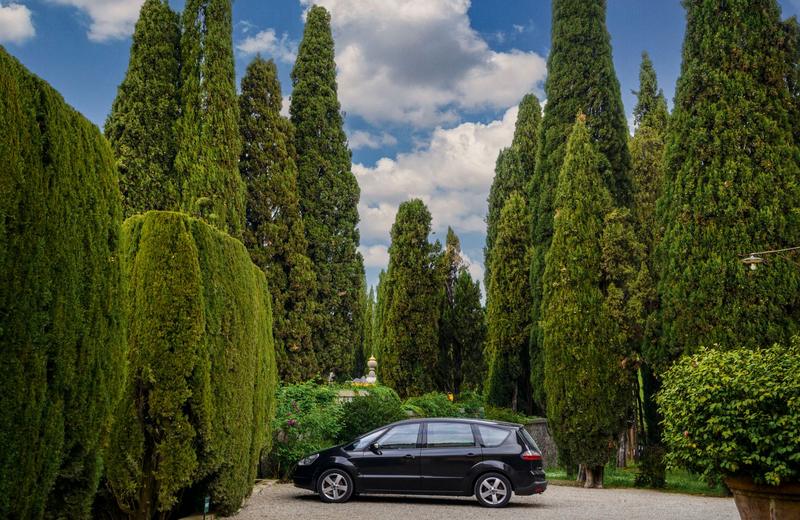
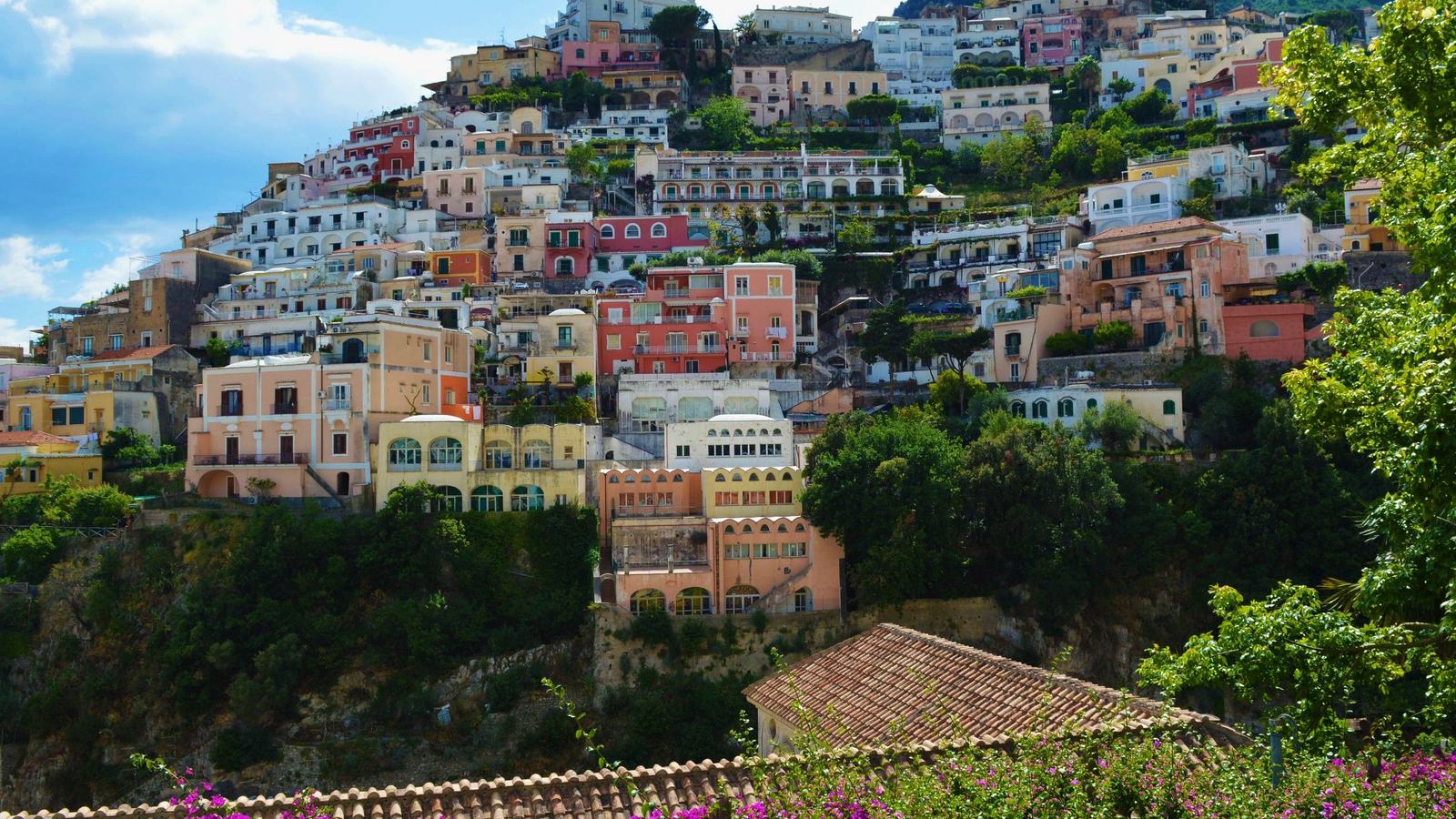
The Rome, Venice and Sicily destination pages pair hotels with Fiumicino, Marco Polo and Palermo airports. For a coast trip, add a car (see renting a car in Italy) or, for the Amalfi Coast where parking is impossible, a chauffeur from Naples airport — about 90 minutes to Positano.
Three things to get right
- Late September for warmth, harvest and thinner crowds.
- August is for the coast and the mountains, not for Rome.
- Book Venice for Carnival and Rome for Easter six months out.
Book it
Featured destination: Rome — hotels, airport and activities on one engine page.