Why this guide: about 4,400 people a month search Google for “best seats on a plane” (US, DataForSEO Labs, September 2026). This is the answer we would give a client, written to be booked from.
The short answer
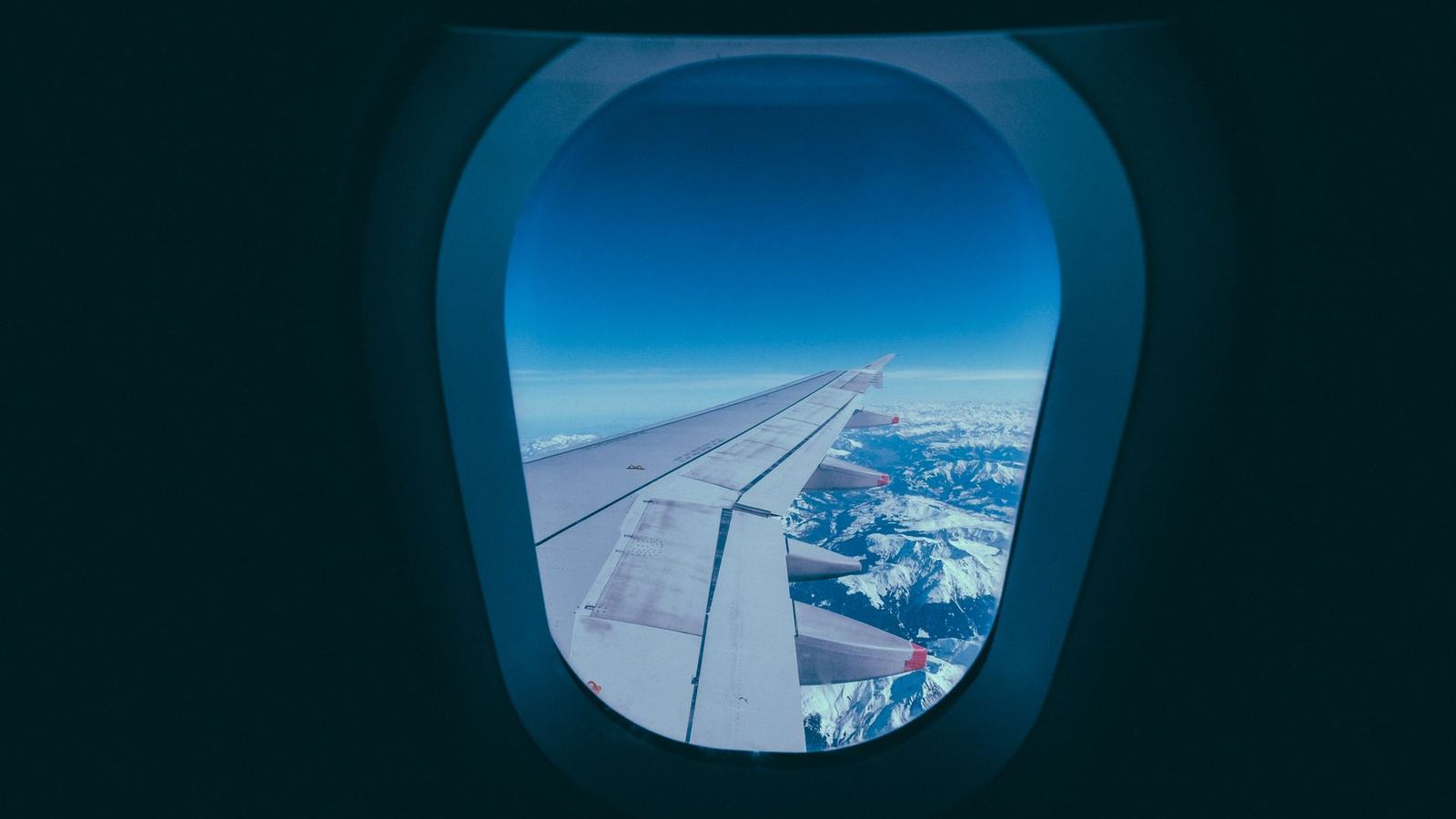
- For sleepA window seat in a quiet zone — forward of the wing, away from galleys and lavatories, on the left side if the crew work from the right
- For legroomExit rows (not the first of a double exit), bulkhead rows (with the tray-in-armrest caveat), or extra-legroom sections
- AvoidThe last row (no recline, next to the lavatory), seats in front of an exit row (limited recline), middle seats, and any seat by a galley on an overnight
Front, middle or back
The front of the cabin is quieter (engines are behind you), deplanes first and gets meal service first. The wing zone is the smoothest in turbulence — the aircraft pivots around it. The back is loudest, last off, and the last rows often do not recline, but it has the highest chance of an empty seat beside you on a half-full flight and is closest to the rear galley if you want to get up. For an overnight, forward window; for a short hop with tight connection, an aisle near the front.
Window, aisle or middle
Window for sleeping (a wall to lean on, no one climbing over you) and the view; aisle for legroom in the aisle, freedom to move, and faster exit; middle only under duress. On widebodies with 2-4-2 or 3-3-3 layouts, the paired seats on the sides (A-B, J-K) are the best for couples; the centre section's aisle seats are good for solo travellers who want out. On 777s in 3-4-3, the four-seat centre is the worst place to be in the middle.
Exit rows and bulkheads
Exit rows have the most legroom in economy but: the seat in front of the exit row often does not recline, the first row of a double exit has restricted recline itself, the armrests are fixed (tray tables in them), it can be cold near the door, and you must be able and willing to help in an emergency (no children, no one needing assistance). Bulkhead rows have no seat in front (no one reclining into you, a bassinet position for infants) but no under-seat storage and fixed armrests. Both cost extra on most airlines now.
By aircraft
737 and A320 family: rows 1–10 are quietest; exit rows around 14–16 (737) and 11–12 (A320); the last row (30–32) has no recline. 787: the 3-3-3 layout is tight; the window seats in the last rows sometimes have only two seats (a 2-3-2 taper). A350: the 3-3-3 is wider than the 787's; the seats near the rear taper into 2-4-2 with extra space. 777: 3-4-3 on most carriers is the tightest widebody economy; JAL and a few others keep 3-3-3. A380: the upper-deck economy (where offered) has side storage bins by the windows and is quieter. Use aeroLOPA for exact layouts and SeatGuru for crowd-sourced seat-by-seat notes.
Booking it
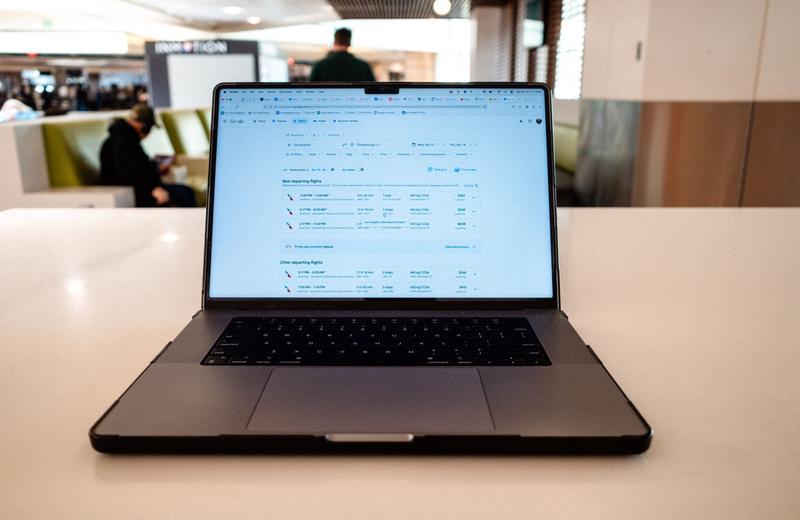
Select the seat at booking on the engine's flights page, check the aircraft type for the flight number (it changes), and re-check 24 hours before departure when airlines release blocked seats and elites are upgraded out of the good ones. Premium economy and business seats have their own logic — see our premium economy and business-vs-first guides.
Three things to get right
- Forward window for sleep; wing zone for a smooth ride; front aisle for a fast exit.
- Check aeroLOPA for the actual layout — the airline's map hides the bad rows.
- Re-check seats at T-24 hours when the good ones open up.