Why this guide: about 1,600 people a month search Google for “what to pack in a carry on” (US, DataForSEO Labs, September 2026). This is the answer we would give a client, written to be booked from.
The short answer
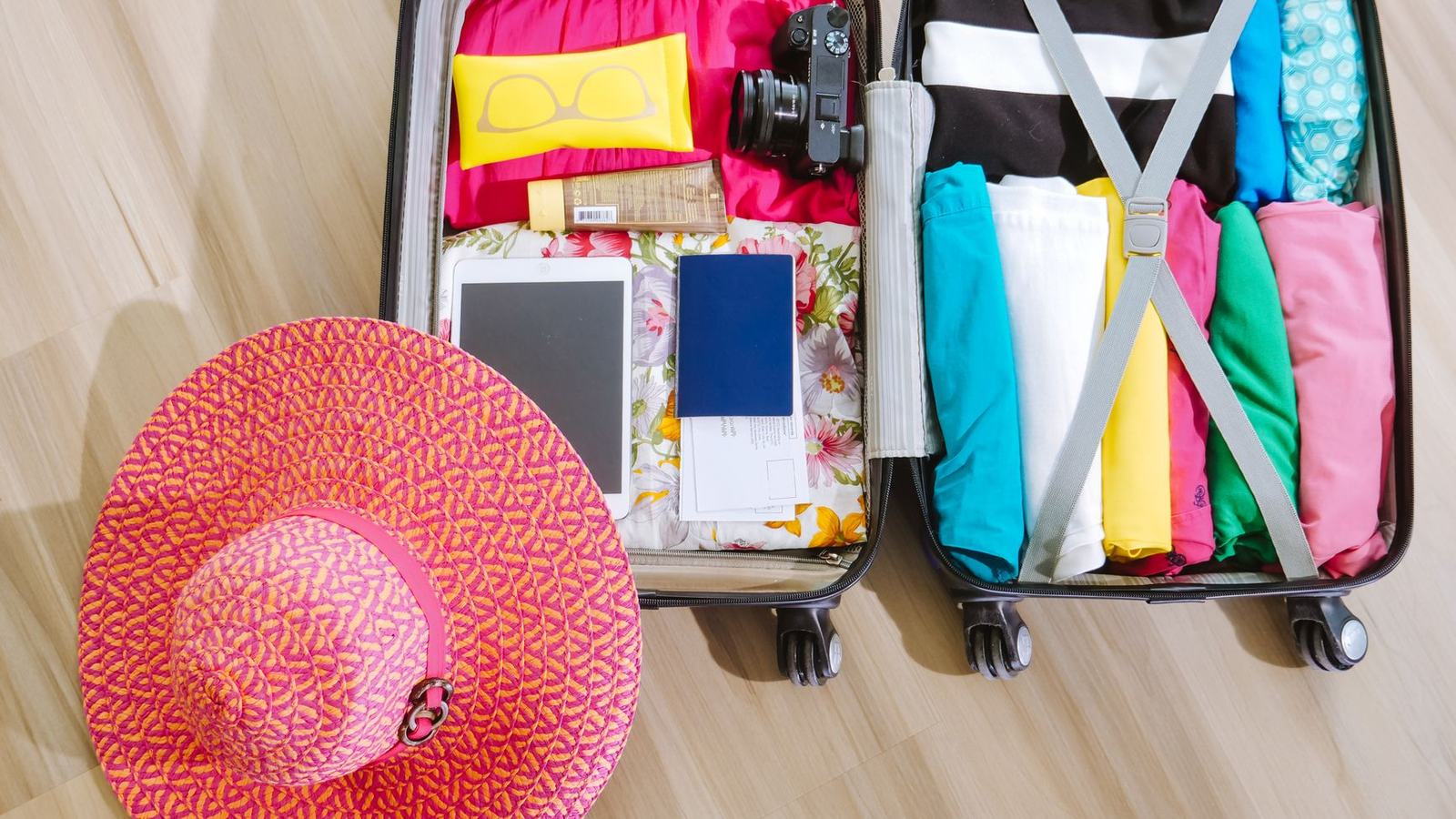
- Always in the carry-onPassport and documents, medication, electronics and chargers, power bank, valuables, keys, a change of clothes, and anything you need on the plane
- Never in the holdLithium power banks and spare batteries (banned in checked bags), medication, jewellery, cash, cameras, laptops, e-cigarettes
- Size22 x 14 x 9 in (56 x 36 x 23 cm) on US carriers; 55 x 40 x 20–23 cm in Europe; check the weight limit — 7 kg on many Asian and low-cost airlines, 10 kg on some European
The non-negotiables
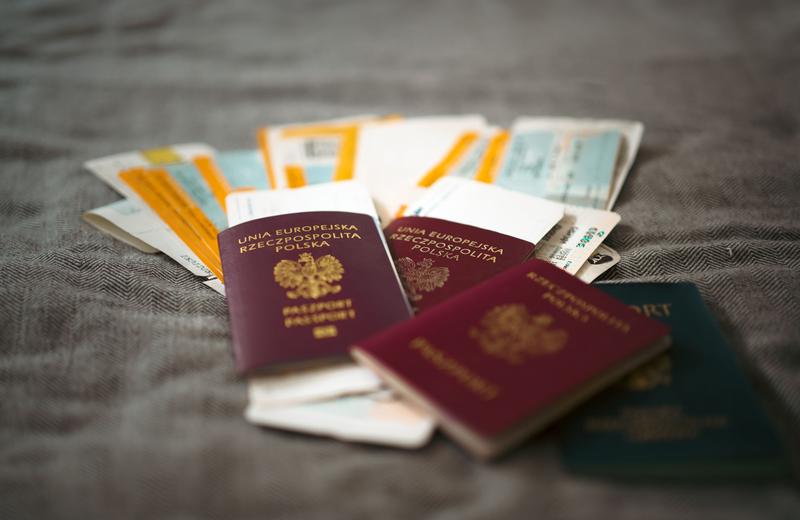
Passport, visa printouts, ETA/ESTA/eTA confirmations, travel insurance card, hotel and chauffeur confirmations (screenshots — airport Wi-Fi fails). All prescription medication in original containers with a copy of the prescription, plus a day's supply of anything over-the-counter you rely on. Phone, laptop or tablet, chargers, a multi-country adapter, a power bank (in the cabin only — airlines ban them from checked bags, and several Asian carriers now ban using them in flight), noise-cancelling headphones. Wallet, cards, some local cash, house and car keys. Glasses and a spare pair of contacts.
The 24-hour kit
A full change of clothes (underwear, socks, a top, and trousers if you are arriving somewhere hot or cold), a light layer for the cabin, a toiletry bag under the liquids rule — toothbrush and paste, deodorant, a small moisturiser, lip balm, any daily skincare in travel sizes — and solid alternatives (bar shampoo, solid deodorant) that bypass the liquids limit entirely. Eye mask, earplugs, a scarf or wrap, a reusable water bottle (empty through security), snacks, a pen for landing cards where they still exist.
The liquids rule and what it is becoming
The 3-1-1 rule: liquids, gels and aerosols in containers of 100 ml (3.4 oz) or less, all inside one clear quart-size bag, one bag per passenger. Exceptions: medication, baby food and milk, and duty-free in a sealed STEB. Airports with CT scanners (many US, UK and European airports from 2024–2026) are relaxing to 2-litre bags and no-remove, but the rules differ airport by airport and reverted at some UK airports — pack to the 100 ml rule and treat the relaxation as a bonus. Powders over 12 oz may be inspected on US-bound flights.
Size, weight and what is banned
US carriers: 22 x 14 x 9 in including wheels, no weight limit on most (Frontier, Spirit and basic-economy fares have their own rules and charge). Europe: 55 x 40 x 20–23 cm, with 8–10 kg limits on Lufthansa, BA and Air France and 7–10 kg on Ryanair, easyJet and Wizz for the paid bag — the free 'small bag' is 40 x 20 x 25 cm. Asia: 7 kg on Cathay, Singapore, ANA, JAL and most others, enforced. Banned in the cabin: knives and blades over 6 cm, tools over 7 in, sporting bats and clubs, self-defence sprays, firearms and replicas; banned everywhere: fireworks, fuel, most lithium batteries over 160 Wh. Lighters: one on your person in the US, none in checked bags.
Booking it
Check the carry-on allowance for the specific fare on the engine's flights page — basic economy on United, American and most transatlantic carriers allows only a personal item; the difference is worth paying for on a long flight. If you are arriving with only a carry-on, a pre-booked chauffeur means walking straight from the gate to the car. See our how-early-to-arrive guide and the red-eye packing notes.
Three things to get right
- Power banks and spare batteries: cabin only, always.
- Pack a full change of clothes and a day of medication in the carry-on.
- Solid toiletries bypass the liquids rule.